Parking suspensions during Tottenham moves: what to do
Posted on 10/06/2026
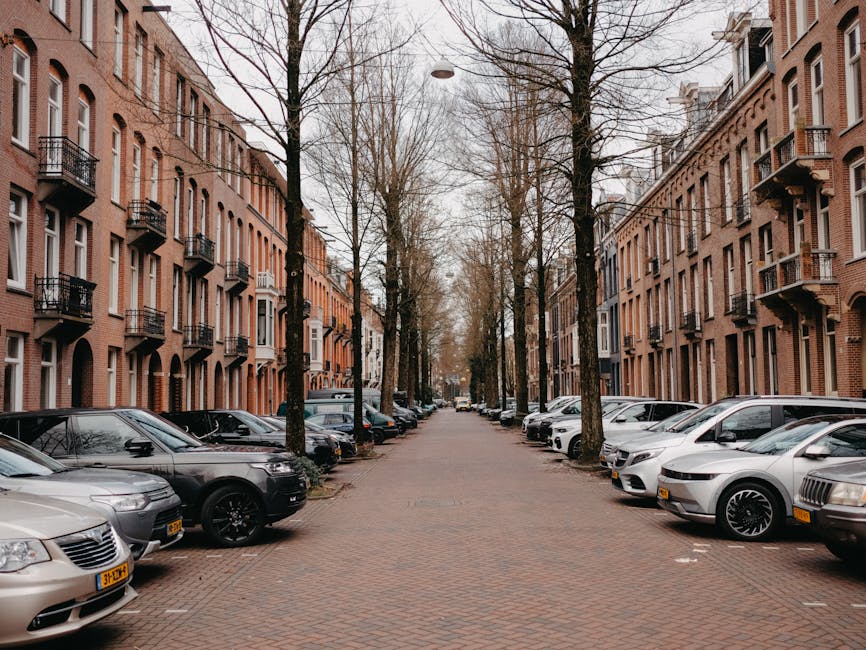
If you are moving house in Tottenham and the street suddenly has parking suspension signs up, the whole day can go from manageable to slightly chaotic very quickly. The van is booked, the boxes are ready, and then you realise the usual place outside your building may be off limits. So what do you do? This guide explains parking suspensions during Tottenham moves: what to do, how to plan around them, and how to avoid the last-minute scramble that can add stress, delay, and unnecessary cost.
In practice, parking restrictions are one of the most overlooked parts of a move. Yet they can affect everything from where the van can stop, to how far your furniture has to be carried, to whether the removal team can complete the job in one smooth run. If you are dealing with a flat on a busy road, a terraced house with tight access, or a move near a busy local landmark, the difference between a well-planned loading bay and a poorly timed suspension is huge. A little preparation goes a long way, and truth be told, it often saves the day.
Why Parking suspensions during Tottenham moves: what to do Matters
Parking suspensions matter because moving is time-sensitive. A removal team does not just need a vehicle nearby; it needs a safe, legal, and practical place to load and unload. If the van is forced to park farther away, you may end up with longer carry distances, more trips up and down stairs, and extra time spent navigating narrow streets. That is not just inconvenient. It can affect the safety of your move, especially for heavy or awkward items.
Tottenham has plenty of streets where access can be tight at the best of times. Add suspended bays, neighbour reservations, roadworks, a football match, or general traffic, and the move can start to feel like a puzzle nobody wants to solve before breakfast. The key issue is not just legality; it is momentum. A move that starts late tends to stay late.
For people moving from upper-floor flats, student accommodation, or homes with no private drive, parking control is often the make-or-break detail. It is also relevant for anyone planning to move bulky furniture, a piano, or large appliances. If that sounds familiar, it can be worth reading our guide on bulky item removals in Tottenham and tight stair access because parking and access problems often show up together.
How Parking suspensions during Tottenham moves: what to do Works
A parking suspension is a temporary restriction that removes parking availability from a specific bay, stretch of road, or marked area for a set period. In moving terms, it usually means a space that would normally be usable for loading, unloading, or short stay parking may be taken out of service. The reason may be construction, utility works, local events, or a request linked to a particular move or access need.
The practical effect is simple: if the area is suspended, you should not assume your van can stop there. Sometimes there will still be nearby legal loading options, but you may need to walk a little further, use a different street, or adjust the move schedule. In some situations, residents or movers arrange a temporary suspension or special parking arrangement in advance. In others, you just need to work around an existing restriction and make the best of it.
One thing people often miss is timing. Even if a suspension is only active for part of the day, that window can overlap with the most important part of the move. The first van load usually sets the tone. Miss that window and everything after it can feel rushed.
If your move involves a lot of boxes and you want to minimise back-and-forth, it helps to plan your packing around the access situation too. Our guide to packing when relocating can help you organise items so the essentials are easy to reach and the heaviest pieces are loaded efficiently.
Key Benefits and Practical Advantages
Getting parking sorted before moving day is not just a nice-to-have. It improves the whole job from start to finish. Here are the main benefits.
- Less carrying distance - The closer the van is to the property, the less time and effort spent moving items by hand.
- Lower risk of damage - Shorter routes mean fewer chances to knock walls, scrape furniture, or strain someone carrying a heavy item.
- Better time control - A properly planned loading point keeps the move on schedule.
- Reduced stress - Nobody enjoys improvising with a sofa on a narrow pavement while watching traffic build up behind them.
- Safer working conditions - Clear access reduces trip hazards, awkward lifting, and rushed handling.
There is also a less obvious benefit: a calm start often leads to a calmer unpacking process later. When the loading side is organised, the whole day feels more deliberate and less chaotic. Not glamorous, perhaps, but very real.
For people moving into a flat, especially in busy parts of Tottenham, this can make a noticeable difference. If your property has awkward stairways or limited street access, the right planning becomes even more valuable. Our article on access tips for N17 flats on Tottenham High Road covers some of the same access-related pressure points.
Who This Is For and When It Makes Sense
This advice is useful for almost anyone moving in or around Tottenham, but it is especially relevant if you are in one of the following situations:
- moving from a flat with no private parking
- using a van on a busy residential street
- living near a school, station, stadium, or event-heavy road
- moving large furniture or fragile bulky items
- arranging a same-day move with a tight schedule
- trying to keep costs down by avoiding delays and extra labour
It also makes sense if you are moving for the first time and do not yet know how much parking affects the day. Many people focus on boxes, tape, and cleaning, then discover too late that the van cannot stop where they expected. That one detail can change the whole rhythm of the move.
Students, renters, homeowners, landlords arranging changeovers, and office teams shifting equipment all benefit from this kind of planning. In different ways, of course. An office move may care more about uninterrupted access, while a student move may simply need a practical loading point that does not involve carrying suitcases half a street away.
Step-by-Step Guidance
If you want a calm, organised move, follow a simple process.
1. Check the street well before move day
Look for suspension signs, temporary cones, roadworks notices, and any obvious changes to bays. Do this more than once if you can. Streets in London change quickly, and a clear bay one day can be unavailable the next. If you are moving at the weekend, check again during the week beforehand.
2. Decide where the van would ideally load from
Think about the shortest sensible route from the property to the vehicle. Aim for the closest lawful point that still allows safe loading. If the nearest bay is suspended, identify the next best option rather than waiting until the morning to find out. It sounds basic, but that tiny bit of planning can save a lot of fuss.
3. Build a buffer into your schedule
Assume you may need extra time for walking, waiting, or moving items in stages. If your move is booked for a particular slot, do not pack the day so tightly that a small parking issue ruins the whole timetable. A 30-minute buffer can be the difference between relaxed and frazzled.
4. Organise your items by loading priority
Heavy and bulky items should be ready first, followed by boxes that contain essentials, and then lower-priority items. If the van is farther away than planned, you do not want to be searching for the kettle while the driver is already juggling a mattress and a wardrobe. For practical loading advice, see solo lifting and handling heavy objects if you are working through some of the prep yourself.
5. Keep contact details and permissions handy
If you have arranged anything in advance with a landlord, building manager, or parking authority, keep the details in one easy-to-find place. On moving day, people tend to be half-packed, half-tired, and slightly distracted. That is normal. But it does mean you want the important information right at hand.
6. Confirm the final loading plan on the morning
It only takes a minute to reassess before the van arrives. Check whether anything has changed overnight. Is the bay still suspended? Has a neighbour parked in the best alternative spot? Are there cones or works signs that were not there yesterday? A quick walk outside can save a lot of guesswork.
7. Adapt quickly if the original plan no longer works
Sometimes the best laid plans go a bit sideways. If your preferred stop is unavailable, use the nearest legal loading point and adjust the carrying route. If the distance is too great or the access is unsafe, you may need to split the job into smaller loads or request a different arrangement.
That is where a practical removals team can be useful. Not because they can make parking magically appear, but because they can often adapt the move without turning it into a drama. There is a difference.
Expert Tips for Better Results
These are the small decisions that make a surprisingly big difference.
- Move boxes into "street-ready" stacks close to the exit, but not in the way of the front door.
- Wrap awkward furniture before move day so you are not faffing around with blankets while the van waits outside.
- Prioritise essentials such as keys, documents, chargers, medication, and a basic tool kit.
- Use the quietest loading window possible if your street has predictable traffic patterns.
- Protect walking routes inside the property so repeated trips do not become a hazard.
- Book help for the heaviest items rather than assuming you can improvise safely.
If you are moving a bed, for example, parking distance matters more than many people realise. One extra trip with a mattress is manageable. Four or five trips because the van cannot stop close by? That is when energy drains fast. For a more focused look, our guide to transporting your bed and mattress seamlessly may help.
A good rule of thumb: if the access looks awkward, simplify the load. Fewer loose items. Better packing. Clearer labels. It is not fancy, but it works.
Common Mistakes to Avoid
Parking issues become much worse when people make avoidable errors. The most common ones are quite straightforward.
- Assuming the space will be free because it was free yesterday.
- Ignoring temporary signs because they look "only for works" or "not really meant for today".
- Leaving parking checks until moving morning, when there is very little time to fix anything.
- Blocking driveways, dropped kerbs, or corners while trying to be close to the property.
- Underestimating stair and carry time in flats and maisonettes.
- Not telling the removal team about access problems until they have already arrived.
That last one causes more headaches than people expect. A team can usually work around a lot, but only if they know what they are walking into. A heads-up is not a luxury; it is part of the job.
Another mistake is failing to account for the weather. A rainy Tottenham morning can turn a short walk into a slippery, slightly miserable relay. Boxes get heavier, surfaces get slick, and everybody starts moving a bit faster than they should. Not ideal.
Tools, Resources and Recommendations
You do not need a huge kit to handle parking suspensions well, but a few things help:
- Printed or digital move plan with timings and access notes
- High-visibility tape or labels for items that need to be loaded first
- Furniture blankets and straps to keep items secure during short but frequent loading cycles
- Boxes that stack well, especially for flat moves where carrying space is limited
- Basic cleaning kit so you can tidy as you go, rather than after everything is moved
It can also help to read a few related guides before move day. For instance, if you are trying to reduce clutter first, decluttering before a move can make access easier because there is simply less to carry. And if your home needs a proper tidy before keys are handed over, the article on getting the property spotless before the big move is a practical companion piece.
If you have a lot of furniture, especially sofas or larger pieces, it is worth thinking about how they are protected before they are moved over longer distances from a different parking point. A useful read here is sofa storage and protection tips, which may sound slightly off-topic but actually helps with safe preparation and handling.
Law, Compliance, Standards, or Best Practice
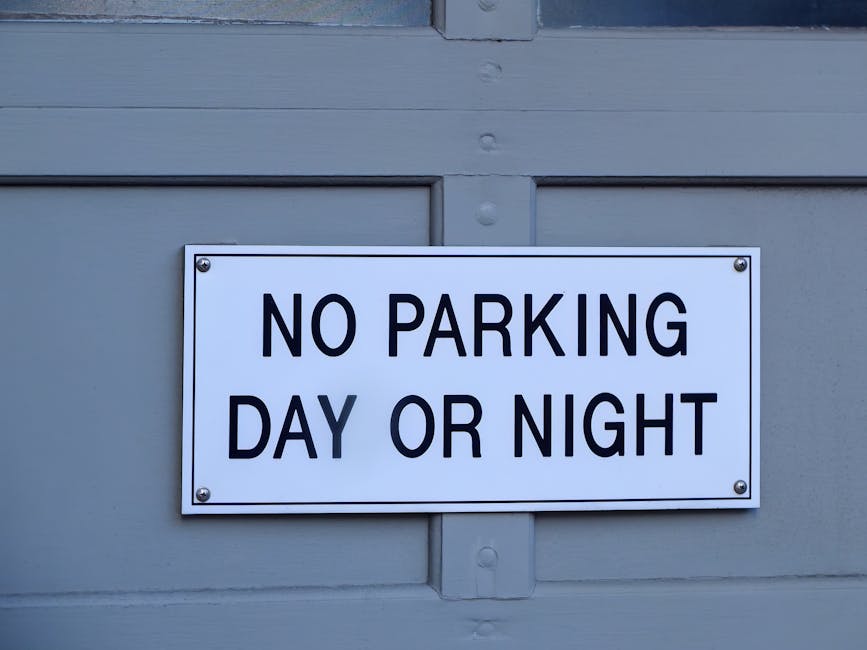
Parking suspensions sit inside a mix of local parking control, building access rules, and general safety best practice. The exact process can vary depending on the road and the authority involved, so it is sensible to treat any parking restriction seriously and verify the arrangement before the move. If a bay is signed as suspended, you should assume it cannot be used for normal parking or loading unless you have clear permission for a specific purpose.
From a best practice point of view, the aim is simple: keep the move lawful, safe, and well communicated. That means avoiding blocked access, respecting temporary signage, and not treating a suspended bay as a convenient "it'll be fine for ten minutes" option. In reality, ten minutes often becomes twenty, and then everyone is stuck.
For removal work, good compliance also includes sensible manual handling, safe loading, and risk awareness. If an item is too heavy or too awkward, use help rather than forcing a one-person lift. Our article on kinetic lifting and body mechanics may help explain why moving in the right way matters, especially on a day when you are already under time pressure.
Insurance is another part of the picture. A properly planned move reduces risk, but it does not remove it entirely. If you are using professional help, it is sensible to understand how the company approaches safety and cover. The site's insurance and safety information is worth reviewing in that context, as is the health and safety policy for a clearer sense of working standards.
Options, Methods, or Comparison Table
There are a few ways to deal with a parking suspension during a move. The best option depends on your property, the street layout, and how much you are moving.
| Approach | Best for | Pros | Possible downside |
|---|---|---|---|
| Use an alternative legal loading spot nearby | Short urban moves with flexible access | Simple, fast, usually cheapest | May involve a longer carry distance |
| Reschedule the loading time | Moves where suspension times are limited | Can restore close access | May not fit everyone's timetable |
| Arrange advance parking permission or suspension support | Planned residential or office moves | Best chance of close access | Requires organisation and lead time |
| Split the move into smaller loads | Large items or awkward buildings | Flexible, reduces congestion | Can take longer overall |
| Use storage temporarily | Moves with access clashes or gaps | Takes pressure off moving day | Extra handling and possible cost |
In many cases, the right answer is a combination of methods. For example, a flat move might use a nearby loading point on the day, while the heaviest items are wrapped and ready in advance, and the less urgent items go into storage for a short period. It does not have to be all-or-nothing.
If your move is more complex, it may help to look at the broader service picture too. Our pages on removal services in Tottenham, man and van in Tottenham, and removals in Tottenham can help you understand what level of support fits the job. For tighter budgets or simpler access needs, man with a van in Tottenham is often a practical route.
Case Study or Real-World Example
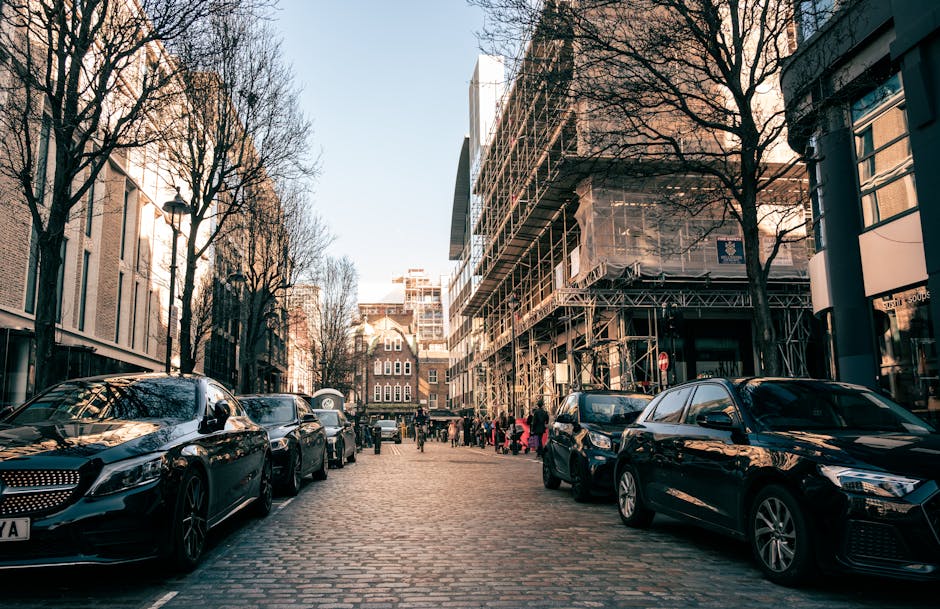
Here is a realistic scenario. A couple moving out of a first-floor flat in Tottenham expected to park directly outside their building. The day before the move, a section of the road was suspended for local works. Not ideal. At first, they assumed they would still "probably be fine" if they arrived early. They were not.
Instead of forcing the issue, they adjusted the plan. The van loaded from the nearest legal space a short walk away, boxes were grouped by room before the team arrived, and the largest furniture was moved first while the street was quiet. The carry was longer than planned, but because the layout had been thought through in advance, the job still stayed controlled.
The result? No blocked road, no argument with a parking attendant, and no panicked repositioning at the last minute. Slightly more walking, yes. A bit of extra effort, certainly. But the move remained steady, and nobody had to improvise with a sofa corner in the rain. Which, let's be honest, is a small victory in itself.
That same approach works for many local moves, especially where access is tight. For more context on difficult properties and route planning near one of Tottenham's busier landmarks, you may find best van routes near Tottenham Hotspur Stadium useful.
Practical Checklist
Use this checklist the day before and the morning of your move.
- Check whether any parking suspension signs or temporary restrictions are in place
- Confirm the nearest legal loading point
- Tell the removal team about access limits in advance
- Prepare boxes so the most important items are easy to load first
- Keep essentials, keys, documents, and chargers in one separate bag
- Make sure pathways inside the property are clear
- Protect heavy or awkward furniture before it is carried out
- Allow extra time for longer carry distances
- Have a backup plan if the preferred bay is unavailable
- Review building, landlord, or mover instructions one last time
If you are still organising the rest of the move, our packing and boxes guidance is a useful companion for getting the load ready properly. A bit of organisation now saves a lot of awkward bending later.
Conclusion
Parking suspensions during Tottenham moves are not the glamorous part of moving day, but they are one of the details that can quietly make or break the whole process. If you check early, build in buffer time, and plan a sensible loading point, you will usually avoid the worst of the stress. And if the original plan changes on the day, that is not a disaster. It is just a sign you need to adjust, stay calm, and keep the move moving.
For many people, the difference between a frazzled move and a decent one comes down to small decisions made the day before. Where can the van stop? How far will items need to be carried? What happens if the closest bay disappears? Those are the right questions. Ask them early and the day becomes much easier to manage.
Get a free quote today and see how much you can save.
And if you want a move that feels a little less like a juggling act, take a breath, check the signs, and give yourself enough space to do it properly. A well-planned move is still a good move, even when the street is being awkward.