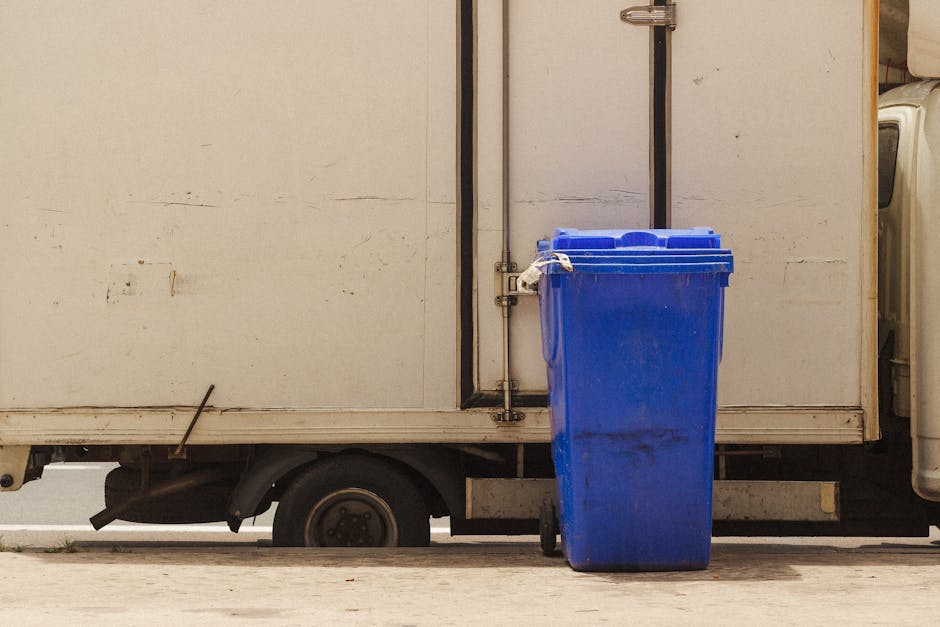
Moving large items across Tottenham: Haringey waste disposal rules
Posted on 06/07/2026

Moving a sofa, freezer, wardrobe, mattress, or piano across Tottenham sounds simple enough until you hit the real-world part: narrow stairwells, parking pressure, and the question of what counts as waste versus reuse. That is where Moving large items across Tottenham: Haringey waste disposal rules starts to matter. If you are clearing a flat, replacing old furniture, or managing a move from one side of N17 to another, the details can trip you up fast.
To be fair, most people do not set out to break waste rules. They just want the bulky item gone without blocking a street, annoying a neighbour, or ending up with a confusing disposal bill. This guide breaks it all down in plain English: what you can move, what you should not leave behind, how Haringey-style waste expectations affect the job, and how to plan a safer, cleaner move from start to finish.
Along the way, you will also find practical links to help with the physical side of the move, from safe solo lifting for heavy objects to packing methods that keep bulky items under control. If you are dealing with awkward access, the details in bulky item removals in Tottenham are especially useful too.
Why Moving large items across Tottenham: Haringey waste disposal rules Matters
Large-item moves are rarely just about transport. In Tottenham, they also touch on pavement space, bin collection access, responsible disposal, and the difference between moving an item and dumping it. If a bulky item is no longer wanted, it can quickly shift from a logistics task into a waste issue.
That matters because the consequences are not small. An item left on a kerb too early, abandoned beside a communal bin store, or put out in the wrong way can create trouble for everyone in the building. And if you are moving through a busy street near Tottenham High Road, the whole thing becomes more visible than you might expect. One sofa on the pavement is enough to make a place look cluttered, and in some blocks it can disrupt access completely.
There is also a practical side. A move runs better when you know which items are being relocated, which are being recycled, and which need separate disposal. That clarity saves time and avoids the classic last-minute question: "Wait, are we taking this freezer or getting rid of it?" If you have ever stood in a hallway at 7:30 in the morning trying to answer that, you will know the feeling.
For people in flats, terraces, student lets, and shared homes, the rules matter even more. Shared entrances, limited outside space, and tight staircases all increase the chance of confusion. A bit of planning goes a long way. In fact, a lot of the stress disappears once the disposal plan is fixed before the van arrives.
How Moving large items across Tottenham: Haringey waste disposal rules Works
The easiest way to think about it is this: if an item is being reused, sold, donated, or taken to a new address, it is part of the move. If it is being thrown away, it becomes waste and needs to be handled accordingly. The two jobs may happen on the same day, but they are not the same thing.
In practical terms, bulky-item disposal usually falls into a few broad categories:
- Rehoming or reuse - furniture, appliances, and fixtures that still have life left in them.
- Private removal - items collected by a removals team and taken away for proper disposal or onward processing, depending on the service arranged.
- Household recycling - suitable materials separated where possible, especially for metal, wood, or electrical goods.
- Residual waste - items too damaged, contaminated, or unsafe to reuse.
The tricky bit is deciding early which route each item belongs on. A scratched wardrobe may still move well. A swollen chipboard unit might be better broken down or disposed of. A freezer can be moved, but only if it is properly prepared, and if you are not taking it with you, it needs thoughtful handling; our guide on storing a freezer safely is handy if the appliance is going into temporary storage rather than straight to disposal.
Another important point: bulky items are often the hardest things to move through real London housing. It is not the weight alone. It is the corners, door frames, stair turns, and the fact that everyone else still needs to get past. That is why a smart plan often includes measuring, dismantling where appropriate, and checking whether the item needs to be carried out, slid, wrapped, or lifted with two people rather than one. If you are weighing up that side of things, kinetic lifting principles are worth understanding in everyday language.
Key Benefits and Practical Advantages
Getting the disposal side right is not just about compliance. It makes the move cleaner, faster, and less frustrating. Honestly, that is the part people notice once the dust settles.
- Less last-minute chaos - you avoid deciding on the morning whether an item is going, staying, or being dumped.
- Safer handling - fewer rushed lifts, fewer awkward pivots, fewer chances of injury or damage.
- Cleaner communal areas - a big benefit in flats, maisonettes, and shared entrances.
- Better van loading - disposal items and keep items can be separated and packed in the right order.
- Lower risk of complaints - neighbours are much less likely to object when the street stays tidy.
- More efficient recycling - usable items can be diverted from waste more easily when they are sorted properly.
There is another advantage that gets missed: a proper disposal plan can reduce the amount of heavy lifting on moving day itself. If you are removing old furniture before packing the rest of the property, the spaces open up. Hallways feel wider. Corners are easier. That is a real benefit, especially in top-floor flats or older Tottenham terraces.
And if you are decluttering before a move, you may find decluttering advice for moving day useful. It pairs well with this topic because half the battle is deciding what is worth moving in the first place.
Who This Is For and When It Makes Sense
This topic matters for quite a wide group of people. You might be moving out of a rental, refreshing a family home, clearing an office, or simply replacing one very battered sofa that has seen better days. Different situations, same core issue: what happens to the large stuff?
It makes most sense when you are:
- moving from a flat with limited access or no lift
- replacing large furniture and need to dispose of the old item responsibly
- clearing a property after a tenancy ends
- downsizing and trying to keep only what still fits your new place
- moving a shared household where people have different ideas about what counts as "still useful"
- dealing with awkward items like wardrobes, beds, freezers, pianos, or bulky office desks
Students often run into this too, especially in Tottenham where quick turnarounds are common. A room may need to be emptied in a hurry, and the old desk, mattress, or shelf unit cannot just hover in the street until someone sorts it. If that sounds familiar, student removals in Tottenham can be relevant when the job needs speed and structure.
It also makes sense for landlords and property managers. End-of-tenancy clearances can look simple on paper, but a stack of broken furniture in a communal area is never a good look. Not ever.
Step-by-Step Guidance
Here is the safest, least stressful way to approach moving large items across Tottenham while keeping the disposal side in order.
-
List every large item early.
Walk through the property room by room and write down what is being moved, reused, stored, sold, recycled, or thrown away. Do this before packing starts if possible. Once boxes appear, judgment gets cloudy fast.
-
Decide the destination for each item.
Be clear about whether the item is going to the new address, a storage unit, a recycling route, or disposal. This is especially important for oversized things like beds, mattresses, sofas, and white goods. If your freezer is not being moved immediately, a separate plan matters; keeping a freezer safe while not in use can help avoid damage.
-
Check access before move day.
Measure doorways, note stair turns, identify lifts or loading areas, and look for anything awkward about the route. One narrow landing can change the entire plan. If you are in a dense part of town, this is not an optional extra.
-
Separate items that need disassembly.
Wardrobes, bed frames, shelving, and some sofas are easier to manage in sections. Keep screws, bolts, and fittings in labelled bags. A tiny bag of fixings can save a ridiculous amount of grief later.
-
Prepare disposal items safely.
Remove loose contents, secure doors and drawers, and make sure items are clean enough to handle. For appliances, defrost and dry them if they are going into storage or being moved. If they are being discarded, ask how they should be presented and whether special handling is needed.
-
Load in the right order.
Usually, the largest and heaviest items go in first, followed by smaller pieces and boxes used to fill gaps. This is where a good removals team makes life easier, because they can keep everything stable and avoid the "one item on top of another, hope for the best" approach.
-
Clear waste separately.
Do not mix bulky waste, reusable furniture, and the contents of your move unless you have agreed that approach in advance. A tidy separation saves time and reduces mistakes.
-
Do a final sweep.
Before leaving, check cupboards, under beds, balconies, bins, and communal corners. The number of times a forgotten lamp or chair has caused an extra trip... well, more than anyone likes to admit.
If your route involves tricky building access, N17 flat access tips can help you think through the logistics before you lift a single thing.
Expert Tips for Better Results
These are the small choices that make a bulky-item move feel calmer and less messy.
- Measure twice, lift once. It sounds obvious, but in tight Tottenham properties even a few centimetres matter.
- Protect the building as well as the item. Use blankets, corner guards, and wrapping where necessary. Scraped walls create stress nobody needs.
- Keep disposal separate from sentiment. People often delay decisions because they are attached to a cupboard, a chair, or an old mattress. Fair enough, but be honest about what is genuinely worth keeping.
- Do the heavy sorting before the van arrives. The more organised the pile, the quicker the load.
- Use the right team size. Some items are manageable by one strong person, but others really do need two or more. There is no medal for solo-lifting a wardrobe downstairs if the staircase says no.
- Plan for parking and loading space. In Tottenham, a good move can be derailed by bad stopping arrangements. Our article on parking suspensions during Tottenham moves is helpful if space is tight.
A small tip from experience: keep a "do not move yet" area. One corner of the room, one hallway end, one labelled patch. It helps stop cleaners, movers, and family members all acting on different instructions at once. Which, to be fair, happens more often than it should.
For items that are especially awkward or delicate, such as antiques or older furniture, it is worth reading how to avoid damage on tight terraces. The same careful thinking applies to bulky items that look sturdy but are not as resilient as they appear.

Common Mistakes to Avoid
The biggest mistakes tend to be simple ones. Not dramatic. Just annoying, avoidable, and expensive in time.
- Leaving disposal decisions until move day. This is the most common one, and it creates instant delays.
- Assuming every bulky item can be left outside. It cannot. Sometimes people do this with the best intentions, but it still creates problems.
- Not checking building rules. Communal areas, estate entrances, and shared access points often have their own expectations.
- Trying to lift without a plan. Heavy items need a path, not just enthusiasm.
- Forgetting appliance prep. Freezers, fridges, washers, and similar items need attention before movement or storage.
- Mixing keep, store, and dump piles. It sounds harmless until a table you meant to keep ends up beside the rubbish pile.
Another mistake is underestimating the emotional side of sorting. People get stuck on "maybe I should keep this" and lose an hour. Sometimes more. That is normal, but if you need momentum, set a firm decision deadline and move on.
If the job is partly about getting rid of clutter before moving, decluttering for a smoother move can give you a cleaner starting point.
Tools, Resources and Recommendations
You do not need a warehouse of equipment, but the right basics make bulky-item handling far easier.
- Moving blankets or padded wraps for protecting furniture edges and stair rails.
- Straps and ties to keep doors shut and items stable during loading.
- Labels and marker pens for clearly marking keep, store, recycle, and dispose.
- Basic hand tools for dismantling beds, tables, and shelving.
- Gloves with a solid grip for cleaner handling and less hand strain.
- Trolley or sack truck for heavier, stable items where the route allows it.
When the item is extremely bulky, a professional team can be a better option than trying to force a DIY solution. If you need a general starting point, the overview of removal services explains the wider support available, while furniture removals in Tottenham is especially relevant for sofas, beds, wardrobes, and similar pieces.
For packing around bulky furniture, it also helps to review bed and mattress transport tips and sofa storage advice. These are the kind of pages that solve problems before they get expensive.
Law, Compliance, Standards, or Best Practice
This is the part people often skip until they need to know it, and then suddenly it becomes very important. In the UK, waste has to be handled responsibly, and anyone arranging disposal should make sure the item goes to a legitimate route. If you are using a removals company, it is sensible to understand how they handle waste, recycling, and any items they cannot take.
The safest approach is to treat disposal as a separate decision from transport. Moving an item to a new address is one thing. Throwing it away is another. If an item is going to waste, it should not simply be abandoned outside a property or left where it obstructs access. That can cause complaints, additional charges, or a messy follow-up. Nobody wants that.
Best practice usually means:
- checking whether the item can be reused, donated, recycled, or must be discarded
- making sure waste is not left in shared or public areas without a proper plan
- using a removal or clearance provider that explains its process clearly
- keeping evidence of what has been removed, especially for tenancy end checks
- being cautious with electricals, mattresses, and bulky waste that may need special handling
If you are arranging a larger move, the company's wider policies can also matter. Pages such as health and safety policy, insurance and safety, and recycling and sustainability are worth reviewing because they help you judge how seriously a provider treats the job.
That is not paperwork for paperwork's sake. It is about reducing risk, and in a move like this, risk sneaks in from all the little corners.
Options, Methods, or Comparison Table
Here is a practical comparison of common approaches for large-item movement and disposal in Tottenham.
| Method | Best for | Pros | Trade-offs |
|---|---|---|---|
| DIY move and separate disposal | Smaller households with a few bulky items | Full control, flexible timing | More lifting, more planning, higher chance of mistakes |
| Man and van support | Typical flat moves, furniture, mixed loads | Good balance of cost and help | Needs clear sorting in advance |
| Full removals service | Larger homes, offices, or complex access | Less stress, better handling, smoother loading | Usually more planning needed up front |
| Storage first, disposal later | When you need time to decide or stage a property | Useful breathing space, avoids rushed decisions | Two-step process can cost more overall |
| Same-day assistance | Urgent clearances and short-notice moves | Fast response, less waiting around | Best for simple decisions and prepared access |
If you are not sure which route suits your situation, the overview at man and van Tottenham and removals in Tottenham can help you compare the scale of support you need. For particularly tight deadlines, same-day removals may be more appropriate.
Case Study or Real-World Example
Picture a second-floor flat near Tottenham High Road. The tenant is moving out on a Friday, the new place is not ready until the weekend, and there is a wardrobe that will not fit through the hallway in one piece. There is also an old mattress, a freezer that has finally given up, and a sofa that has split at the seam.
The sensible plan would look something like this:
- the wardrobe is dismantled the day before and labelled for reassembly or disposal
- the mattress is wrapped and carried separately to keep the route clean
- the freezer is emptied, defrosted, and either moved or set aside for disposal according to its condition
- the sofa is checked to see whether it can be reused, stored, or must be cleared
- all disposal items are grouped together so they do not get mixed with the move
Now imagine trying to do that without sorting the route, the lifting order, or the disposal outcome first. It becomes one of those jobs that looks quick from a distance and chaotic up close. One cupboard door gets left open, someone trips over a cable, and the morning gets louder than it should. Not ideal.
With a bit of planning, though, the same move runs cleanly. The hallway stays passable, the van gets loaded in a sensible order, and the items that are being disposed of do not end up blocking the entrance. That is the real win: fewer surprises.
For similar access-heavy situations, best van routes near Tottenham Hotspur Stadium and safe furniture handling in Broadwater Farm offer useful local context.
Practical Checklist
Use this as a final pre-move check. It is simple, but it works.
- Have I identified every large item in the property?
- Do I know which items are being moved, stored, sold, donated, or disposed of?
- Have I measured doorways, stairs, and any awkward turns?
- Have I separated appliance prep, dismantling, and packing tasks?
- Are disposal items clearly labelled and kept apart from keep items?
- Have I planned parking and loading space for the van?
- Do I understand any building or access rules that may affect the move?
- Have I checked whether any bulky items need special care or disassembly?
- Do I have wraps, straps, gloves, and basic tools ready?
- Have I left enough time for a final sweep of the property?
Expert summary: if you decide what each item is before lifting starts, the whole process gets easier. That one decision removes a surprising amount of friction. Simple, really. Not always easy, but simple.
Get a free quote today and see how much you can save.
Conclusion
Moving large items across Tottenham is rarely just a transport job. It is a blend of lifting, sorting, access planning, and responsible disposal. When Haringey waste disposal rules are part of the picture, the move becomes less about brute force and more about smart decisions made early.
That is good news, actually. Because once you know what is staying, what is going, and what needs careful handling, the rest becomes manageable. You can protect the building, avoid awkward mistakes, and keep the day moving at a steady pace rather than a panicked one.
If there is one thing to take away, it is this: sort the bulky items before the van arrives, and the rest of the move will thank you for it. A little structure goes a long way, and on a busy Tottenham street, that matters more than people think.
And honestly, a calmer move is a better move. You notice it in the little things - the quieter hallway, the clearer path, the relief when the last heavy item is finally out. Lovely feeling, that.