Moving antiques in Tottenham: avoiding damage on tight terraces
Posted on 18/06/2026
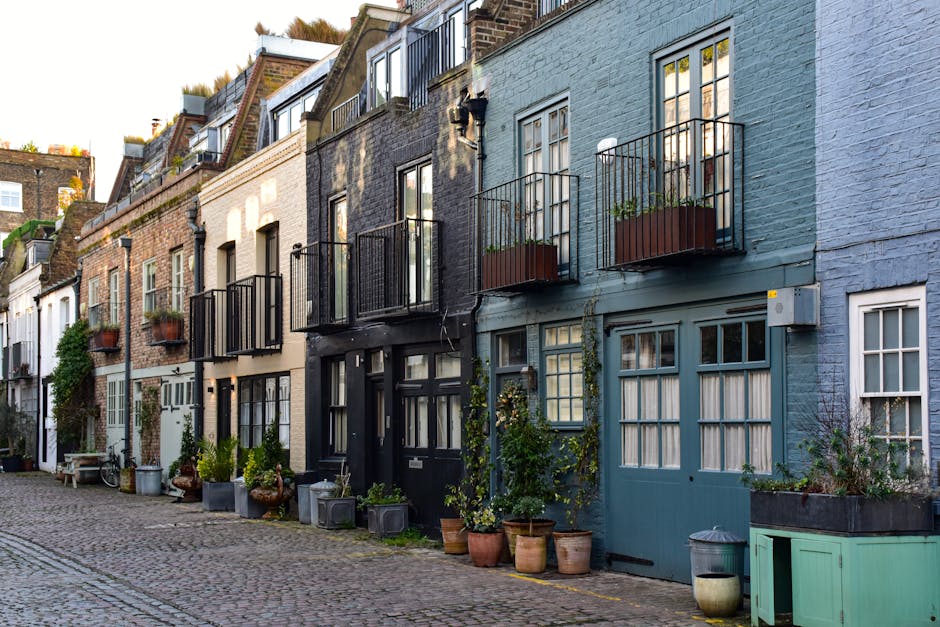
Moving a family sideboard, a Victorian mirror, or a delicate writing bureau sounds simple enough until you meet a Tottenham terrace. Narrow hallways, steep front steps, tight doors, awkward landings, and parking that seems to vanish just when you need it most can turn a careful move into a stressful one. If you are moving antiques in Tottenham: avoiding damage on tight terraces is really about planning for the building as much as the item. One wrong turn, one rushed lift, and a piece that has survived decades can pick up a crack in seconds.
This guide breaks down how to protect antique furniture, artwork, and heirlooms in real-world terrace conditions. You will find a practical step-by-step method, common mistakes to avoid, the right tools for the job, and a grounded look at when professional help is the sensible choice. Truth be told, antiques do not forgive shortcuts.
Why moving antiques in Tottenham matters
Antiques are different from standard furniture because age, construction, finish, and provenance all affect how they should be handled. A solid oak dresser may look indestructible, but old glue joints, brittle veneer, worn handles, and historic finishes can all be vulnerable to pressure and vibration. On Tottenham terraces, that vulnerability gets amplified. You are often dealing with narrow stairwells, low ceilings, tight turns, shared entrances, and streets where loading can be a little too improvisational.
It matters for three simple reasons. First, the item itself may be irreplaceable or costly to restore. Second, damage can happen at the worst moment, like on the last step down the front path. Third, terraces leave very little margin for error, which means the move has to be coordinated, not improvised.
We see the same pattern again and again: the item is wrapped, but not well enough; the lift is technically possible, but not through the angle everyone assumed; the team is strong, but no one has planned for the narrow vestibule. Small gaps in planning become big headaches fast.
Expert summary: antique moves fail less because of strength and more because of poor route planning, rushed wrapping, and one person trying to "just carry it through" when the space clearly says otherwise.
If you are also organising the broader move, it helps to understand the rest of the process too. A useful starting point is how to keep the whole house move calm and organised, especially if the antiques are only one part of a busy relocation day.
How moving antiques in Tottenham works on tight terraces
The safest antique move is a sequence, not a single lift. You survey the item, measure the route, protect the property, prepare the vehicle, and then move the piece with controlled handling. On a terrace, the route often matters more than the weight. A small but awkward cabinet can be harder to move than a heavier item with better clearance.
The process usually starts before anything is lifted. You check door widths, stair angles, banisters, hall bends, and ceiling clearance. If there is a front garden wall, railings, or a steep step down to the pavement, those details shape the whole plan. Then you decide whether the item can be moved upright, tilted, or partially dismantled. For some antiques, removing shelves, glass, mirrors, or loose fittings is the safest option. For others, the rule is the opposite: do not dismantle what could weaken the structure.
From there, the item is padded with purpose. Blankets are not enough on their own if the surface is polished or veneered. Corners need extra attention, glass needs rigid protection, and carved details need space so they are not crushed into the wrapping. If you have ever heard someone say, "It'll be fine, just keep a hand on it," you already know the problem. Antique handling needs more than enthusiasm.
Finally, the move itself is usually done with slow, communicated movements. One person leads, another steadies, and everyone works to the same pace. That sounds obvious, but in tight terraces it is easy for one person to rush and another to hesitate. The result is wobble, and wobble is where chips, dents, and cracked joints begin.
Key benefits and practical advantages
Done properly, moving antiques on a terrace gives you more than a safe arrival. It reduces stress, preserves value, and keeps the rest of the property from taking unnecessary damage. It also saves time later, which people tend to forget. A damaged antique often means repair calls, insurance paperwork, and a frustrating wait for restoration. That can drag on for weeks.
- Less chance of finish damage: careful wrapping and route control prevent scuffs, scratches, and polish loss.
- Better structural protection: old joints, veneers, and legs are not forced beyond their limits.
- Fewer property marks: stair rails, plaster corners, and door frames are protected too.
- More predictable timing: a measured process is usually quicker than a rushed one that goes wrong.
- Lower emotional stress: when a piece has family history attached, peace of mind matters just as much as cost.
There is also a practical local benefit. Tottenham terraces can be compact, and on a busy street one clumsy movement can block access for neighbours or force you into a second attempt at an awkward angle. A tidy plan avoids that shuffle. It feels calmer. It looks more professional. And yes, it tends to go better.
If your antique move is part of a furniture-heavy relocation, you may also find value in specialist furniture removal support in Tottenham, especially where large pieces need careful loading and route control.
Who this is for and when it makes sense
This approach is for anyone moving items with age, value, sentimental importance, or fragile construction. That includes collectors, homeowners, landlords, students inheriting furniture, and families moving a piece that has become part of the house story. You do not need a museum-grade cabinet to justify careful handling. Sometimes the item is "just" an old table, but it is the table everyone gathers around. That counts.
It makes particular sense if:
- the property is a classic Tottenham terrace with limited hallway space;
- the item is oversized, top-heavy, or difficult to grip;
- the piece has glass, mirror, marble, inlay, or delicate carved sections;
- there are narrow stairs or a tight landing turn;
- the item cannot be easily replaced;
- you are moving multiple antiques in one visit and need the job done efficiently.
It may also make sense to store the item briefly if the new place is not ready or access is not ideal. In those cases, a careful moving plan combined with sensible storage can reduce risk. For temporary holding, storage in Tottenham can be a useful part of the overall strategy.
Step-by-step guidance
1. Assess the piece honestly
Start with the item itself. Look for loose legs, cracked veneer, bowed shelves, wobbly joints, fragile handles, old repairs, or glass that has shifted. If the piece already has a weak point, mark it mentally and do not put pressure there during the move. Take photos before wrapping so you can check its condition afterwards. It sounds fussy. It is not. It is just sensible.
2. Measure the route, not just the furniture
Measure the width and height of each doorway, the landing, stairwell, and any exterior bottleneck such as a narrow gate or step down to the pavement. In terraces, the awkward part is often not the front door. It is the bend halfway down the stairs, where the item has to twist while staying balanced. If the route is too tight, stop and rethink before the piece is halfway trapped.
3. Prepare the property
Clear shoes, mats, loose cables, and anything else that could catch a foot or snag a wrapped corner. Protect the floor if you can, especially on old boards, tiles, or narrow hallways where one dragged leg can leave a mark. Open doors fully and keep them secure. A door that swings at the wrong time can knock into the piece or into the person carrying it. Not ideal, obviously.
4. Wrap with layered protection
Use soft coverings first, then stronger outer protection where needed. Corners, mirror frames, and carved edges need extra reinforcement. Glass should be immobilised so it does not flex inside the wrap. Loose drawers, keys, or shelves should be removed and packed separately. If the item has a polished surface, make sure the wrapping will not rub grit into the finish.
5. Decide whether the piece should be dismantled
Some antiques are safer in sections; others are safer left intact. The right answer depends on construction, age, and the quality of any fixings. If dismantling means forcing old screws or fragile timber, it may create more risk than it removes. In that case, a slower and more padded move is usually better.
6. Use the right carrying technique
Lift with a clear lead person and a clear rear person. Keep communication short and useful: "pause," "step," "turn," "clear." Avoid sudden adjustments mid-stair unless the team agrees. If the item is long, keep it slightly angled only when that angle has been planned. If you are unsure, one person should stop the movement. Not both. That is how accidents happen.
7. Load the van with stability in mind
Inside the vehicle, antiques should be braced so they cannot shift during braking or cornering. Straps, soft barriers, and floor planning all matter. Put the most delicate items where they will not be crushed by harder loads. If the van route involves rough roads or frequent stop-start traffic, keep movement inside the load area to a minimum.
8. Unload and inspect before calling it done
Once delivered, unwrap the item slowly and inspect all sides. Check for new scratches, loose joints, or movement that was not there before. If anything looks off, note it straight away rather than discovering it later when the room is already set up.
For broader packing around the antiques, this guide to packing when relocating is useful because antique protection works best when the whole packing system is tidy, not just the wrapping around the one special item.
Expert tips for better results
The small details make the biggest difference. In our experience, a good antique move often comes down to what happens before the lift and after the lift, not just during it. Here are the points worth remembering.
- Take the piece apart only when it genuinely helps. Old furniture can be more fragile after dismantling than before.
- Protect the route as much as the item. A blanket on a stair edge can prevent a scrape that wrapping alone will not.
- Keep hardware in labelled bags. It saves time and avoids that horrible moment where you wonder which screw belonged where.
- Use clean materials. Dust and grit can mark polished wood surprisingly fast.
- Plan for the awkward pause points. Landings, turns, and door thresholds are where most antique moves get uncomfortable.
- Leave a little breathing room. If the item fits only by forcing it, the route is probably too tight.
A slightly underrated tip: decide in advance who speaks and who moves. Too many voices on a staircase is chaos in a nice coat. One person should lead the callouts. Everyone else listens and follows.
If the antique is unusually heavy or the access feels borderline, it can help to think about movement mechanics rather than just strength. The article on kinetic lifting offers a helpful way to understand controlled movement and momentum, which matters a lot when a piece needs to be turned carefully in a narrow space.
Common mistakes to avoid
Most antique damage comes from a handful of predictable errors. You can avoid a lot of stress by spotting them early.
- Skipping measurements. Guessing with terrace access is a gamble, and not a smart one.
- Using thin wrap only. One layer of padding is rarely enough for corners and edges.
- Dragging legs or bases. Even a short drag can damage feet, joints, or the floor.
- Overloading one person. Antique moves need balance, not brute force.
- Forcing a turn. If the angle feels wrong, stop and reset.
- Ignoring weather. Wet steps, damp pavements, and slippery gloves all raise the risk.
- Leaving loose parts attached. Shelves, mirrors, and removable fittings can shake free mid-move.
One more thing people overlook: rushing the final placement. The item is in the room, everyone relaxes, and then someone nudges it against a skirting board while "just adjusting the angle." That tiny bump can ruin a finish at the very end. Slightly annoying, really.
Tools, resources and recommendations
You do not need a warehouse full of specialist equipment, but the right tools help enormously. For antiques on tight terraces, the essentials are practical rather than flashy.
| Tool or resource | What it helps with | When it is most useful |
|---|---|---|
| Thick removal blankets | Surface protection and scratch prevention | Wood, veneer, polished finishes |
| Corner protectors | Shielding fragile edges | Tables, cabinets, frames |
| Straps and ties | Stability in the van and during lifts | Long or top-heavy pieces |
| Slide sheets or runners | Controlled movement on floors | Heavy pieces on smooth floors |
| Clear labels and bags | Keeping fittings organised | Dismantled furniture or framed items |
| Measuring tape | Route planning and clearance checks | Every antique move, honestly |
Sometimes the best resource is a second opinion. If a piece is valuable or sentimental, a quick assessment from an experienced removals team can save a lot of second-guessing. That is especially true if you are also juggling other household items and want the rest of the move handled with proper care. A broader overview of moving support is available on the services overview page, which can help you match the right level of help to the job.
If your move includes a particularly awkward or bulky item alongside antiques, the article on bulky item removals and narrow staircases is a good companion read. It deals with a similar access problem, just from a different angle.
Law, compliance, standards and best practice
For most household antique moves, there is no special legal process beyond ordinary care, safe handling, and sensible property protection. But there are still standards and best practices worth respecting. In the UK, anyone carrying out lifting and moving work should avoid unsafe manual handling, use equipment properly, and plan loads so they can be moved without unnecessary strain. That is plain common sense, but it also reflects normal workplace health and safety expectations.
If you are hiring a removal company, check that they have clear procedures for safety, insurance, and complaints handling, and that they explain how they protect fragile items. You should also ask whether they can support access planning for tight terraces, especially if parking, stairs, or shared entrances may complicate the job. Good operators tend to be specific here. Vague answers are a small warning sign.
It is also worth noting that antiques with high value may need separate insurance consideration. Policies vary, so do not assume every item is automatically covered to the level you expect. Ask for clarity in advance, especially where restoration costs could be significant. Better to ask the slightly awkward question beforehand than the very expensive one afterwards.
For customers who want reassurance around care and protection, it is sensible to review insurance and safety information and the company's health and safety policy. Those pages help set expectations about how careful handling should be approached.
Options, methods and comparison table
There is no single correct way to move antiques. The right method depends on the item, the access, the budget, and how much risk you are comfortable taking. Here is a straightforward comparison.
| Method | Best for | Pros | Trade-offs |
|---|---|---|---|
| DIY with family help | Small, sturdy antiques and very short moves | Lower upfront cost, flexible timing | Higher physical risk, less route control, easy to rush |
| Man and van support | Moderate antiques with standard access | Practical, flexible, usually more affordable than a full crew | May still need careful planning for terraces and tight stairs |
| Specialist furniture removals | Heirlooms, awkward items, multiple pieces | Better wrapping, lifting, and loading discipline | Can cost more, but often worth it for fragile items |
If the antique is highly fragile or the terrace access is especially tight, the specialist route is usually the sensible one. If the item is small but still valuable, a more modest support option may be enough, provided the packing and route planning are solid.
For readers comparing service types, man and van services in Tottenham can be a practical middle ground, while removal services in Tottenham give a broader picture of the support available when the move is more complicated than it first looked.
Case study or real-world example
A recent terrace move involved a glass-fronted display cabinet that had been in the same family for decades. It was not massive, but it was awkward: tall, narrow, top-heavy, and fitted with fragile glazing. The property had a narrow front hall, a sharp turn at the stairs, and a step down to the pavement outside. In other words, exactly the sort of thing that looks manageable until you are standing next to it.
The team measured the route first and found that the cabinet could not be taken straight down without risking the upper frame. So the shelves and glass panels were removed and packed separately. The main carcass was wrapped with extra corner protection, then carried with one lead person controlling the turn at the landing while another kept the base stable. The outside step was protected, the van was loaded so the cabinet stood secure, and the piece arrived without a mark.
What made the difference was not dramatic strength. It was restraint. They slowed down at the landing, paused before each turn, and accepted that "technically possible" is not the same thing as "safe enough." That small discipline saved the cabinet from a proper nightmare.
It is a good reminder that terrace access problems are often similar whether you are moving antiques or another bulky household item. If you are dealing with mixed load sizes, access tips for N17 flats can offer useful local context for tighter buildings and shared access patterns.
Practical checklist
Use this checklist before moving day. It keeps the process simple and stops the obvious things from being forgotten in the rush.
- Measure the antique and the full route, including doors, stairs, landings, and outside steps.
- Check for weak points, old repairs, loose fittings, and fragile surfaces.
- Remove shelves, drawers, mirrors, keys, and any detachable parts.
- Prepare blankets, corner protectors, tape, labels, and straps.
- Protect floors, door frames, and stair edges.
- Assign one person to lead communication during lifts.
- Plan where the item will sit in the van and how it will be secured.
- Review parking and access arrangements before arrival.
- Keep the item away from moisture, dirt, and sudden knocks.
- Inspect the piece carefully once it is unloaded.
If you want the wider move to feel a bit more under control, it can help to clear clutter before antique day arrives. A good companion read is essential decluttering tips for a smoother move, because fewer obstacles at home usually means fewer surprises on the stairs.
Conclusion
Moving antiques in Tottenham: avoiding damage on tight terraces is really a test of planning, patience, and respect for the building you are moving through. Tight staircases and narrow hallways do not have to become a disaster, but they do demand a slower, more thoughtful approach than a standard furniture shift. Measure first. Wrap properly. Communicate clearly. And do not force an item into a route that is telling you, quite loudly, that it is not the one.
The best antique move often feels almost uneventful from the outside. That is the point. No scuffed legs, no chipped corners, no frantic pivot on the landing, just a careful transition from one home to the next. It is a small quiet victory, but a meaningful one.
Get a free quote today and see how much you can save.
And if you are sorting the rest of the move too, useful pages like pricing and quotes and about the team can help you decide what level of support feels right before the first box is even lifted.