Tottenham road closures: getting a temporary removals permit
Posted on 29/07/2026
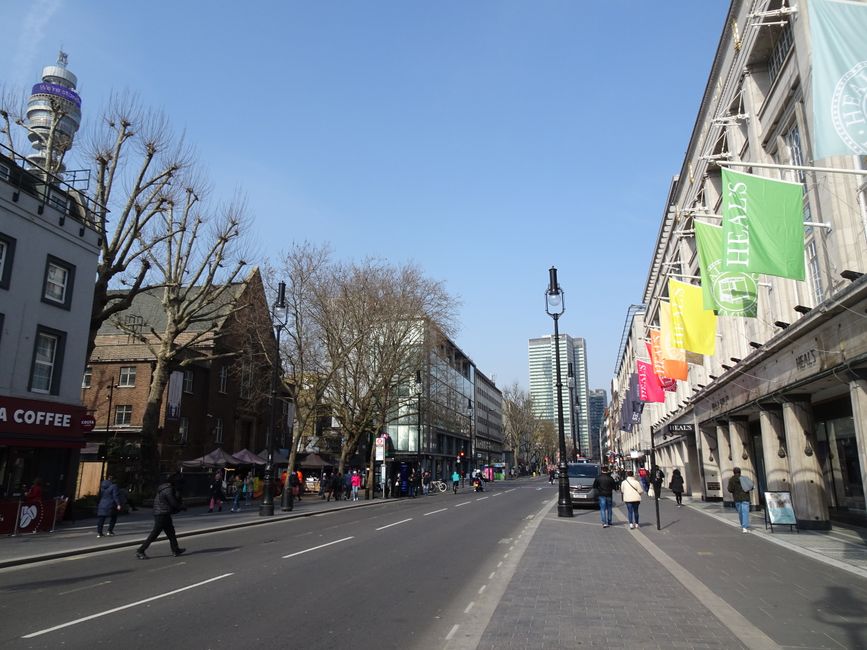
If you are moving in Tottenham and the road outside looks tight, busy or partially closed, a temporary removals permit can be the difference between a calm move and a stressful one. In practice, it helps you plan vehicle access, reduce the risk of fines or delays, and make sure your removal van can actually get close enough to do the job. That matters more than people think, especially on narrow streets, busy High Road routes, or around event-heavy areas. Let's face it, moving day is hectic enough without discovering you cannot stop where you expected.
This guide explains how Tottenham road closures: getting a temporary removals permit works, when you may need one, what the process usually involves, and how to avoid the classic mistakes that trip people up. You will also find a simple checklist, a comparison table, and a realistic example so you can plan with confidence rather than guesswork.
Why Tottenham road closures: getting a temporary removals permit Matters
Temporary access permissions are not just paperwork. They shape the whole moving experience. If a road closure, parking restriction or access control is in place, your van may need formal permission to wait, load, unload or enter a restricted section. Without that planning, a move can become a frustrating chain of small problems: the team parks too far away, boxes get carried further than expected, neighbours get irritated, and the schedule starts slipping.
In Tottenham, this is especially relevant because the local road network can be busy and uneven. A short walk from van to front door might be fine on a quiet Tuesday, but not so fine when a junction is busy, a bay is suspended, or a nearby event has changed the traffic pattern. If you are also dealing with stairs, awkward entrances or bulky furniture, even a few extra metres can make a real difference.
There is also a trust side to this. A properly planned move shows neighbours, landlords, building managers and drivers that you are taking access seriously. That is useful whether you are moving a student flat, a family home, or a small office. For more on planning a move in a busy local setting, our guide to mastering a house move without the chaos is a handy companion read.
How Tottenham road closures: getting a temporary removals permit Works
Although the exact process can vary depending on the road, the type of restriction and who manages the street, the general idea is straightforward: you ask for temporary permission to use space or access that would otherwise be restricted for your removals vehicle. That might relate to a suspended parking bay, a controlled loading area, a temporary road closure, or a timed access arrangement.
In practical terms, this usually means gathering the move details early, identifying the vehicle size, confirming the date and time window, and allowing enough lead time for approval. If your street is likely to be affected by a closure or suspension, do not leave it until the week of the move. You can sometimes salvage a last-minute plan, but it is not ideal. Timing matters. Quite a lot, actually.
Think of it as one part logistics and one part risk management. A removal team may be able to work around a short delay, but if the van cannot get near the property, the whole operation becomes slower and more physically demanding. That is where related planning topics, like what to do about parking suspensions during a move, become genuinely useful.
Usually, the main variables are:
- the road location and how busy it is
- whether the restriction is a full closure or partial access control
- the size and type of vehicle you are using
- the loading duration needed
- whether cones, signage or traffic management are already in place
Keep in mind that a temporary removals permit is often about practical access, not convenience. In other words, it is there to make the move possible in a structured way, not to override road rules. That distinction sounds obvious, but it catches people out.
Key Benefits and Practical Advantages
The biggest benefit is simple: fewer surprises on moving day. But there are several knock-on advantages that are easy to miss when you are focused on boxes and packing tape.
- Closer vehicle access: The van can usually park nearer to the property, reducing carrying distance.
- Better timing: Less time is lost circling the area or waiting for a space to free up.
- Less physical strain: Shorter carries reduce fatigue, especially with heavy items.
- Lower damage risk: Fewer handovers from one doorway to another means less chance of bumps and scrapes.
- Less stress for neighbours: A planned arrangement helps keep pavements and entrances clearer.
- Cleaner logistics: The removal crew can work more methodically when access is sorted in advance.
There is also a commercial benefit if you are comparing removal companies. A team that asks sensible questions about parking, road restrictions and access is usually thinking ahead properly. That is a good sign. If you are still weighing up your options, the broader overview on removal services can help you see how access planning fits into the whole move.
And yes, there is a hidden benefit too: you keep your day feeling under control. Moving already brings noise, movement, odd smells from cardboard and tape, and the constant sound of someone saying, "Where did we put the kettle?" If the transport side is tidy, everything else feels more manageable.
Who This Is For and When It Makes Sense
This is not only for large house moves. In Tottenham, temporary access planning can help all sorts of people.
- Flat movers: Especially if you live on a busy road or in a building with limited outside space.
- House movers: Terraced streets often have tighter loading conditions than people expect.
- Students: End-of-tenancy moves can be fast, compressed and full of awkward timing.
- Office movers: A business move needs reliable loading windows, not guesswork.
- People moving bulky items: Sofas, wardrobes, pianos and white goods are harder to handle when the van is parked too far away.
It makes sense whenever access is uncertain or the street environment is likely to disrupt loading. A good example is a move near a busy stretch where traffic flows change throughout the day. Another is a narrow residential road where parked cars already limit manoeuvring room. In those cases, it is often worth thinking not just about a permit, but about the whole route. Our article on better van routes around Tottenham's busier areas is useful here because route planning and access planning tend to go hand in hand.
If your move is small and the road is quiet, you may not need much more than sensible parking awareness. But if there is any doubt, plan as though access will be tighter than expected. That is usually the safer call.
Step-by-Step Guidance
Here is a practical way to approach the process without overcomplicating it.
- Check the street conditions early. Look at whether the road is likely to have a closure, suspension, event restriction or loading limit on your moving date.
- Confirm your moving vehicle details. Note the size of the van, the loading time you expect to need, and whether the crew needs full roadside access or just short-term stopping.
- Match the restriction to the move. A brief load-and-go arrangement is very different from a full-day access need.
- Gather property information. Flat number, entrance type, floor level, road name and any special access issues all help.
- Allow enough lead time. Do not assume a permit or access arrangement can be organised at the last minute.
- Plan around the most difficult item first. If you are moving a piano, large wardrobe or American-style fridge, make sure the route and stopping point suit that item, not just the easy boxes.
- Coordinate with your removal team. Everyone should know where the van can stop, which entrance to use and who is handling any parking or access paperwork.
- Keep a backup plan. If the exact space is unavailable, have a second parking option or a short alternative carrying route.
It is also smart to do the packing properly before move day. Good packing reduces the number of trips and the amount of awkward reshuffling at the kerbside. If you want a practical refresher, see our guide to packing properly when relocating.
Expert Tips for Better Results
Small details make the biggest difference here. A permit or temporary access arrangement is only helpful if the rest of the move is set up to use it well.
Start with the heaviest items first. If you can load the bulky furniture closest to the van, the whole process becomes more efficient. That helps especially if you have items that are awkward on stairs or tight corners. You may find our piece on moving bulky items through narrow staircases useful for the physical side of planning.
Protect the route inside the property. Dust sheets, door protectors and a clear hallway reduce delays. A clean route is faster, and it just looks more professional. For a bit of extra preparation, the article on getting the home ready before moving day is worth a look.
Do not overfill the schedule. A permit can create access, but it does not magically make loading faster. Build in breathing room. If the street is busier than expected, you will be grateful you did.
Ask about the vehicle itself. A compact van may suit a tight Tottenham street better than a larger removal van, but the right choice depends on volume, item size and access. The point is not simply "small is better". The point is fit.
Keep communication simple. One person should be responsible for access decisions on the day. Too many voices at the kerbside becomes a comedy sketch, and not the good kind.
Expert summary: The safest moving day is usually the one where access, parking, loading order and packing are all decided before the van arrives. The permit is useful, but the real win is the planning around it.

Common Mistakes to Avoid
A lot of access problems come from assumptions. Fair enough, it is easy to make them when you are juggling tenancy dates, keys and packing tape. But these are the mistakes that cause real headaches.
- Leaving it too late: If access is restricted, do not wait until the day before to sort it out.
- Guessing the vehicle size: A van that is too large may be hard to place, while one that is too small can force extra trips.
- Ignoring nearby restrictions: A road may look usable but still have timed controls, suspensions or event-related limits.
- Not measuring bulky items: That sofa that "should be fine" can become a problem at the front door or in the van bay.
- Forgetting the neighbour impact: Blocking shared access or leaving items on the pavement creates avoidable tension.
- Assuming all restrictions work the same way: Road closures, bay suspensions and loading limits are not identical. They need different approaches.
For example, if you are moving a piano, there is no room for casual planning. Professional handling and access coordination go together. Our guide on why piano moves deserve specialist help shows why some items simply need extra care.
Another common slip is forgetting what happens after the move. If you are placing furniture into storage or not using it immediately, protect it properly before it leaves the property. A solid reference point is storage tips for sofas and other large items.
Tools, Resources and Recommendations
You do not need a warehouse of specialist equipment to handle a local move well, but a few basics make the process smoother.
- Measuring tape: Useful for checking van access, stair width and the size of larger items.
- Notebook or phone checklist: Keep permit details, parking notes and access times in one place.
- Protective materials: Blankets, wrap, tape and floor protection reduce damage and cleaning later.
- Boxes and labels: Clear labelling speeds up unloading once the van is parked.
- Item inventory: Especially helpful if access is split into stages or if items are stored temporarily.
If you need a better overview of packing supplies and box planning, the page on packing materials and boxes in Tottenham is a sensible starting point.
For larger or more complex jobs, it also helps to look at the full range of moving support available. Some people only need a simple van service; others need a broader removal solution. The best fit depends on how much access support, lifting help and transport capacity you actually need.
Law, Compliance, Standards, or Best Practice
With temporary access and road closures, the key thing is to follow the local rules that apply to the street and the vehicle. It is usually not enough to "just stop for a minute" if restrictions are in force. Best practice is to treat all loading and parking controls as real controls, not flexible suggestions.
From an operations point of view, the safest approach is to:
- confirm whether the restriction affects parking, loading or access movement
- allow time for approval rather than expecting instant clearance
- keep to the agreed time window
- avoid blocking footpaths, driveways or emergency access
- ensure the removal team knows exactly what has been arranged
There is also a broader duty of care around safety. Good moving practice means keeping walkways clear, lifting sensibly, and reducing unnecessary manual handling where possible. If you want a deeper look at safer lifting approaches, the article on kinetic lifting and safer handling is a useful read. It is not about showing off technique; it is about avoiding silly strain and awkward twists.
For move-day safety and business standards, it is also sensible to work with a team that takes responsibility seriously. A company's general approach to safety, insurance and complaints handling tells you a lot. The pages on health and safety, insurance and safety and complaints procedure can help you understand what good practice should look like in plain English.
Options, Methods, or Comparison Table
There is no single right way to handle access in Tottenham. The best option depends on the road, the property and the amount of furniture you are moving.
| Option | Best for | Pros | Limitations |
|---|---|---|---|
| No special permit or access arrangement | Quiet streets, short local moves, minimal loading | Simple and quick | Can be risky if conditions change or parking disappears |
| Temporary removals permit | Road closures, bay suspensions, controlled loading zones | More reliable access, less carrying distance | Needs planning and may depend on approval timing |
| Smaller vehicle with flexible loading | Narrow streets or restricted turning space | Easier manoeuvring | May need more trips for large moves |
| Full removal service with planning support | Complex moves, bulky furniture, time-sensitive relocations | Better coordination and less stress | Not always necessary for small or very simple jobs |
If you are moving a flat in particular, access can be the whole game. That is why a specialist page like flat removals in Tottenham is relevant when stairs, parking and limited roadside space all collide.
For anyone deciding between DIY and help from a mover, the comparison really comes down to access, time and physical effort. The more constrained the street, the stronger the case for professional support. Simple as that, really.
Case Study or Real-World Example
Imagine a couple moving out of a top-floor flat near a busy Tottenham road. They have a sofa, bed frame, several boxes of books and a freezer to move. The road outside is narrow, and there is limited parking even on a good day. On top of that, a nearby section is subject to temporary access control because of local works.
At first, they think the van can "just wait nearby". But once they look at the actual street conditions, that plan starts to look shaky. Instead, they arrange the move around a clear loading window, check the access point in advance, and break the job into the heaviest items first. The freezer and bed go out with the largest lifting effort coordinated first, then the boxes and softer items follow.
The result? Less walking, fewer pauses, and no awkward last-minute parking scramble. The day still feels busy, of course. Moves always do. But it stays controlled. That is the real value of getting the temporary access side right.
For items that need careful storage or handling after the move, a few extra planning reads can help too. For example, freezer storage and preparation advice, along with preserving a freezer while it is not in use, can save you from a very unpleasant surprise later on.
Practical Checklist
Use this before move day. It is short on purpose.
- Confirm whether your street has any road closure or access restriction on the move date
- Check if you need permission for loading, parking or both
- Measure the van, the parking space and the largest furniture items
- Make sure the removal team knows the exact entrance and loading point
- Prepare boxes, labels and protective materials in advance
- Keep a backup parking or unloading plan ready
- Separate fragile items from heavy items early
- Clear the hallway, stairs and front path
- Check the weather forecast, because rain changes everything a bit
- Leave a little extra time for unexpected delays
If you are packing for a student move, the same logic applies, just on a smaller scale. A smooth loading plan still matters, especially when timing is tight. Our page on student removals in Tottenham is useful if that is your situation.
Conclusion
Getting a temporary removals permit in Tottenham is really about one thing: making sure the practical side of moving does not get in the way of the move itself. When road closures, parking suspensions or access limits are in play, a little planning goes a long way. You protect your schedule, reduce carrying distance, and give the removal team the best chance of doing a careful job.
That does not mean every move needs heavy administration. Some do not. But when the road is busy, the property is awkward, or the van needs predictable stopping space, it is wise to treat access as a core part of the plan rather than an afterthought. Honestly, that small shift in thinking can save a lot of hassle.
If you are still mapping out the rest of the move, it can help to read up on the basics of moving day organisation, and to review support options such as Tottenham removals, man with a van in Tottenham and removal services in Tottenham so you can choose the level of help that fits the job.
Get a free quote today and see how much you can save.
Moving day goes better when the street, the van and the plan all agree with each other. That is the real win.